Article
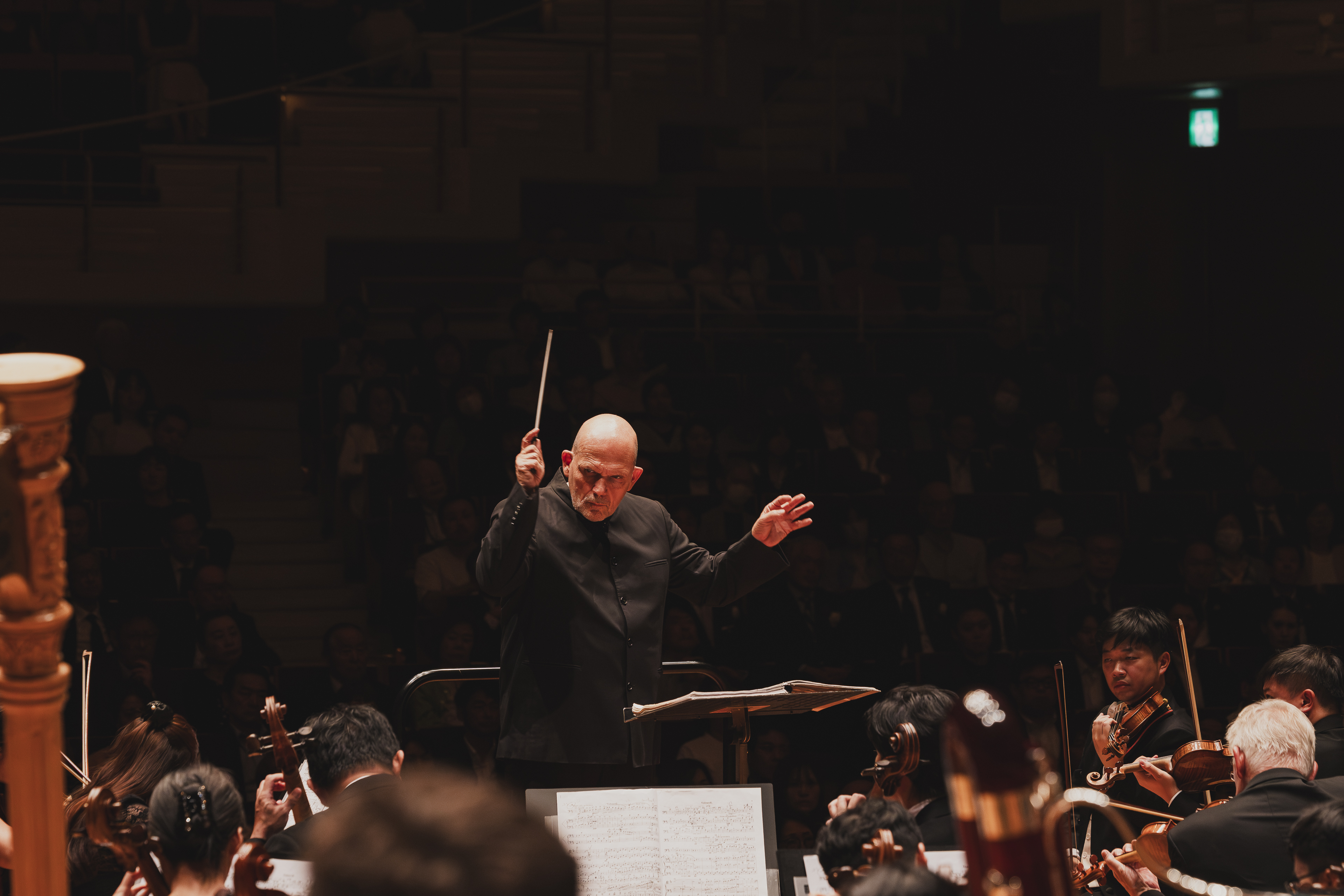
October 28, 2026, in Osaka. October 30, in Kyoto. Pianist Eric Lu, winner of the 2025 International Chopin Piano Competition, joins the Evergreen Symphony Orchestra (ESO), the only professional orchestra in Taiwan overseen by a private foundation, for the final concerts of its 2026 Asia Tour. On the podium: ESO’s Artist-in-Residence, Jaap van Zweden. Ravel, Tchaikovsky, Shostakovich — three works born in different eras come together to shape the tour’s finale.
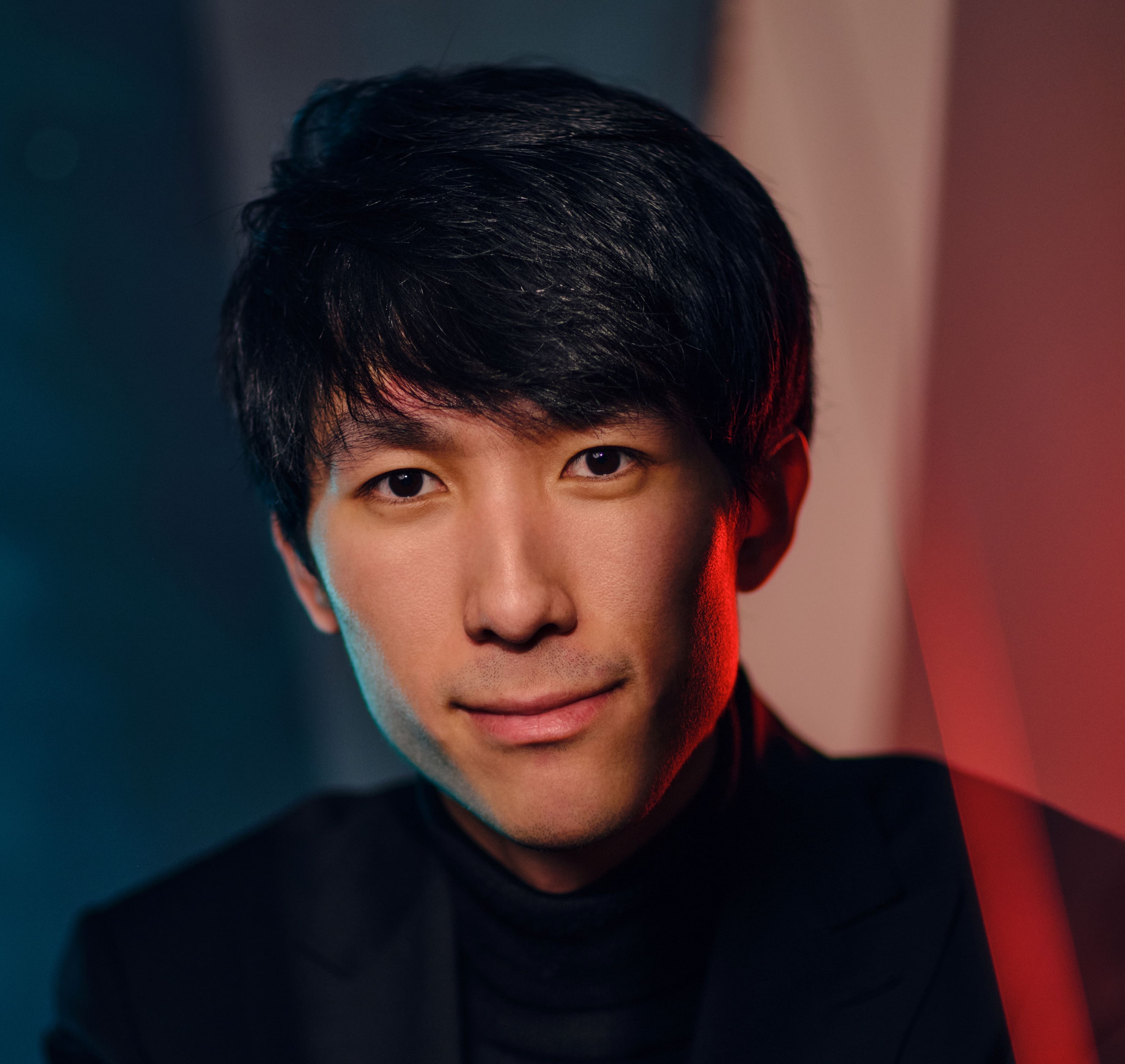
Tchaikovsky’s Piano Concerto No. 1, which will see Eric Lu join ESO, carries a well-known story of its own. Nikolai Rubinstein, the pianist Tchaikovsky first approached to premiere the work, is said to have dismissed it to the composer’s face as “unplayable.” Tchaikovsky refused to change a single note, and instead entrusted the premiere to the German pianist Hans von Bülow. The concerto was dedicated to von Bülow and received its first performance not in Russia but in Boston, on October 25, 1875. A century and a half after that harsh verdict, it has become one of the most beloved concertos in the world, and one that Lu will now perform with ESO.
The Guardian has called Lu “a poet of the keyboard.” After winning the 2018 Leeds International Piano Competition, he went on to take first prize at the 19th International Chopin Piano Competition in 2025, once again drawing the world’s attention. Roughly a year after that win, he arrives in Japan to take on Tchaikovsky’s Piano Concerto No. 1 — an opportunity to hear how the delicate lyricism he brought to Chopin translates into a concerto built on brilliance and strength.
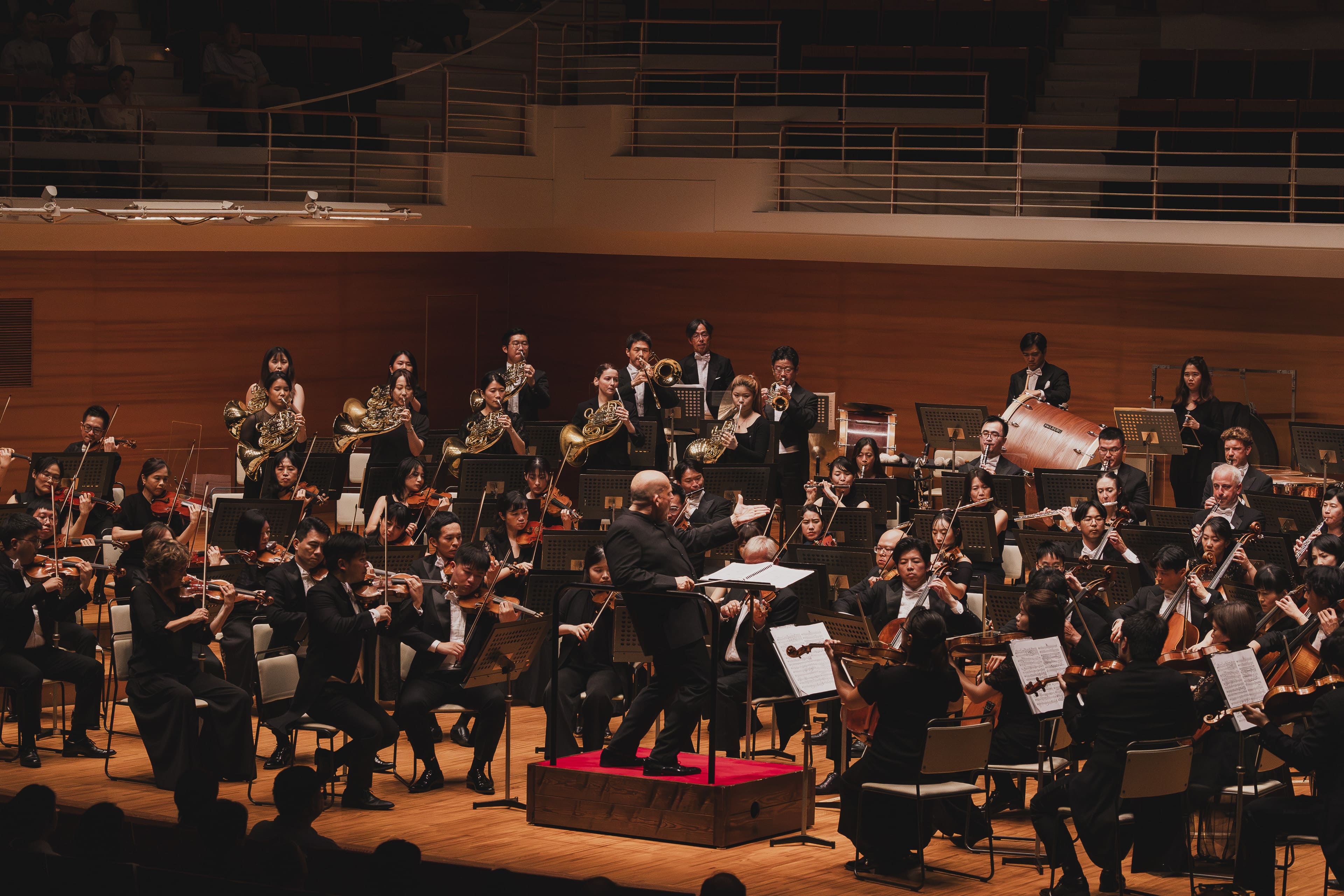
The program opens with Ravel’s La Valse, a work conceived out of admiration for the Viennese waltz and completed in 1920, in the aftermath of the First World War. Sergei Diaghilev, who led the Ballets Russes, is said to have rejected it outright: “It’s not a ballet. It’s the portrait of a ballet.” A waltz emerges as if out of mist, gathers heat, and accelerates as though losing control — a trajectory that leaves listeners with a lasting sense of unease beneath the elegance.
The second half concludes with Shostakovich’s Symphony No. 5 in D minor, Op. 47. In 1936, the composer’s opera had been harshly condemned in Pravda, the Soviet Communist Party’s newspaper, placing him under severe political pressure. The following year, on November 21, 1937, this symphony received its premiere in Leningrad. The audience is said to have risen to its feet in an ovation that went on and on. What did this music speak to listeners living through the height of the Great Terror? Van Zweden and ESO performed the same work in Singapore this past June, and have chosen to return to it once more to close the 2026 Asia Tour.
The conductor who has remained on the podium throughout this tour is Jaap van Zweden, who has served as music director of two major orchestras — the New York Philharmonic and the Hong Kong Philharmonic — and continues as ESO’s Artist-in-Residence. The tour began in Singapore, then reached Tokyo and Niigata for two nights in July. Both concerts concluded on a high note, underscoring how steadily this Taiwan-born orchestra has been building a following among Japan’s classical audiences. Osaka and Kyoto mark the tour’s final stop.
ESO has also partnered with EverFun Travel to organize “A Kansai Arts Journey,” a tour package for fans traveling from Taiwan to follow the orchestra to Japan.
OSAKAThe Symphony Hall
Wednesday, October 28, 2026 — 7:00 PM start (doors 6:00 PM)
S seats ¥10,000 / A seats ¥5,000 (all seats reserved, tax included)
KYOTOKyoto Concert Hall, Main Hall
Friday, October 30, 2026 — 7:00 PM start (doors 6:00 PM)
S seats ¥10,000 / A seats ¥5,000 (all seats reserved, tax included)
Conductor: Jaap van Zweden / Piano: Eric Lu
Ravel: La Valse; Tchaikovsky: Piano Concerto No. 1 in B-flat minor, Op. 23; Shostakovich: Symphony No. 5 in D minor, Op. 47